


If you’ve ever searched for bot likes for Facebook, you know how many services claim to solve the problem. Cheap packages, download links, APKs, “100% safe” guarantees — the market for Facebook fake engagement has been around almost as long as Facebook itself.
In 2026, Facebook has over 3 billion monthly active users and some of the most sophisticated fake engagement detection systems of any platform. Understanding how those systems work — and why the alternatives matter more than ever — is the right starting point.
What Facebook Bot Likes Actually Are
When people search for “bot likes for Facebook,” they’re typically looking at four different things:
- Credit exchange networks. You like or follow other people’s content to earn points, then spend those points to get likes on your own page or posts. These are peer-to-peer fake engagement systems dressed up as communities.
- Paid like sellers. Services that charge you for packages of likes delivered by bot accounts or click farms. A Google search turns up dozens of these. They often offer free samples to prove the numbers work, then upsell larger packages.
- Download tools (APKs and desktop software). These are the riskiest category. Applications that claim to generate likes by operating automated accounts. They typically require your Facebook credentials or access token to run.
- Engagement pods. Coordinated groups where members systematically like and comment on each other’s content. These use real accounts rather than bots, but Facebook’s systems have gotten good at detecting coordinated engagement patterns.
How Facebook Detects Fake Likes in 2026
Facebook’s detection has evolved significantly. In the early days, Facebook bots were simple scripts. They generated likes by the thousands but left clear footprints. Facebook could detect them easily and remove fake accounts within days.
In 2026, Facebook uses several layered detection approaches:
- CopyCatch and SynchroTrap. Facebook’s published detection tools analyze the social graph between users and pages, looking for “lockstep” patterns — accounts that like the same pages in the same sequence within similar time windows. CopyCatch detects lockstep page like patterns by analyzing the social graph between users and pages and the times at which the edges in the graph are created. SynchroTrap relies on the fact that malicious accounts usually perform loosely synchronized actions in a variety of social network contexts.
- Device and network fingerprinting. When multiple bot accounts originate from the same device or IP range, Facebook links them. When Facebook notices 10,000 accounts all liking the same page in the span of a week, and they’ve seen those same 10,000 like 15 previous pages all in the same pattern, it’s very easy to tell they’re all controlled by the same user.
- Behavioral analysis. Automation tools now use heterogeneous IP addresses, proxy servers, and rotating accounts. These tactics reduce the chances of detection. Yet the risk is larger than many expect. Facebook’s behavioral ML models look at interaction patterns, session timing, and engagement sequences that distinguish automated behavior from genuine users.
- Engagement quality signals. A page with 50,000 likes but 12 comments on each post raises obvious red flags. Facebook’s algorithm already deprioritizes content from pages with engagement quality mismatches, meaning fake likes actively hurt organic reach.
What Happens When Facebook Detects Fake Likes
Meta actively removes inorganic engagement and updates its enforcement systems over time. Detection doesn’t have to be perfect to hurt you. Even partial removals, warnings, or degraded signal quality are enough to make the tactic unprofitable.
The consequences in 2026:
- Likes get removed. Facebook periodically runs cleanup campaigns that strip fake likes from pages. You lose the numbers you paid for.
- Reach degradation. Pages associated with inauthentic engagement see their organic reach reduced by Facebook’s algorithm, even if specific content isn’t flagged. The page’s credibility score drops.
- Ad account restrictions. If your Facebook page is connected to an ad account (it almost always is for business users), policy violations on the page can affect your ability to run ads.
- Account-level action. For repeat or severe violations, Facebook can restrict or disable the personal account behind the page.
- The risk-reward calculation doesn’t work. Fake likes produce vanity numbers, not business results. Fake followers don’t make you money when they like your page. They don’t click links, they don’t convert, they don’t share posts, and they don’t buy products.
- What Actually Works Instead
- The reason people search for bot likes in the first place is usually a legitimate underlying goal: more social proof, better page visibility, or increased reach. All of those goals are achievable without bots — and more durably.
- Facebook Ads for page likes. If you genuinely need to build a follower count quickly, Facebook’s own Page Like campaigns deliver real followers who match your targeting criteria. Costs vary significantly by country and audience, but $0.10 to $1 per like from a targeted audience is typical.
- Invite page visitors to like your page. People who engage with your posts (likes, comments, shares) can be individually invited to like your page from the post itself. This is a genuine warm-audience tactic that converts well.
- Content that earns shares. The highest-leverage organic growth tactic on Facebook remains creating content that existing followers share with their networks. Real interactions also help businesses refine strategies and build loyalty. Practical guides, local community content, strong visual content, and content that addresses specific audience pain points consistently generate the highest organic reach.
- Cross-platform promotion. Driving your email list, website visitors, and other social audiences to your Facebook page builds a real follower base that reflects your actual audience.
- Consistent posting cadence. Facebook’s algorithm rewards pages that post regularly. A social media content calendar approach — planning content in batches, scheduling in advance — ensures consistency without the daily scramble.
Managing Multiple Facebook Pages for Legitimate Engagement
For agencies and marketers managing Facebook pages for multiple clients, the engagement challenge is real and worth solving properly. You need each client’s content to reach real audiences, earn real interactions, and generate business results.
The infrastructure for managing multiple Facebook business pages professionally involves:
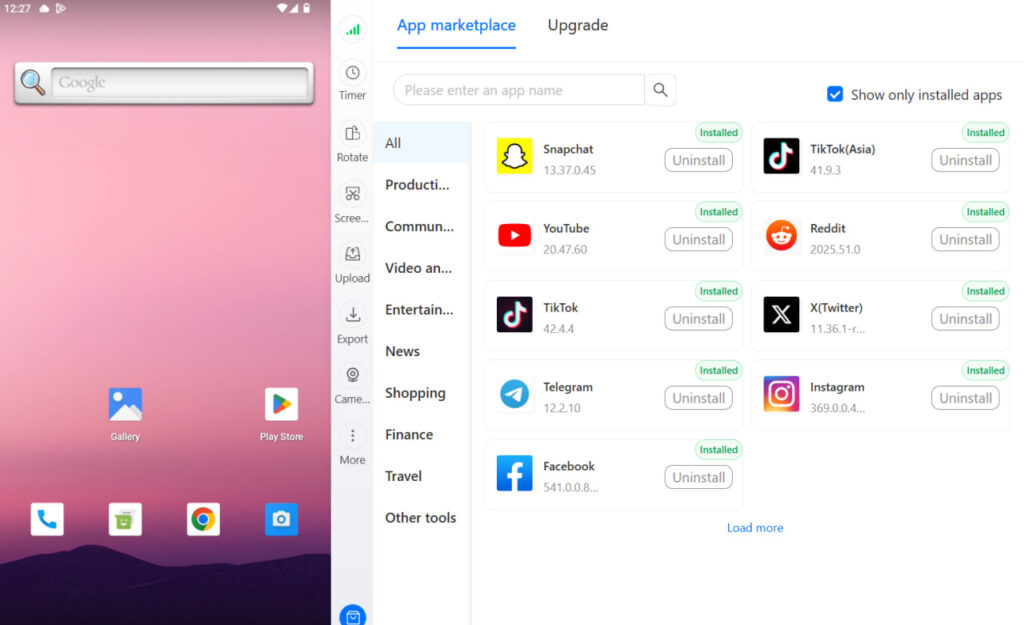
Isolated sessions per client so Facebook doesn’t link accounts operated from the same environment. Multilogin Cloud Phones give each client account its own real Android device with its own hardware fingerprint, IMEI, and residential IP. When your team member engages with a client’s Facebook page from mobile — moderating comments, posting Stories, checking ads — they’re doing it from a dedicated device that Facebook sees as a separate, independent user.
This approach keeps client accounts genuinely isolated, which matters both for security and for Facebook’s detection of coordinated management patterns. You can read more about the full operational setup in how to manage multiple Facebook accounts and how to avoid getting banned on Facebook.
Need to manage multiple Facebook accounts? Try Multilogin Cloud Phones.
Frequently asked questions
No. Facebook’s detection systems identify and remove fake likes, reduce reach on affected pages, and can restrict ad accounts and personal profiles associated with inauthentic activity.
They work in the narrow sense that they temporarily increase the like count number. They don’t work in any business sense — fake likes don’t engage, convert, or help organic reach. Facebook removes them regularly.
Multiple tools claim to offer this. Most require your login credentials or Facebook access tokens, which creates significant account security risk on top of the policy violation risk.
Yes. One personal account can create and manage multiple pages. If you’re running pages for multiple clients, separate management accounts (each with their own browser profile and proxy) are the cleaner approach for avoiding account linking.
Facebook’s own Page Like ad campaigns, inviting post engagers to like the page, cross-promoting to your email list and website, and creating shareable content that drives organic reach are all more effective and more durable than any bot approach.
If an account is banned or suspended, follow the appeal process inside the account settings or via the Facebook account recovery process. A properly isolated second account means you’re not completely shut out while you resolve the issue with the primary.
Click “Add a button” below your cover photo. Choose from options like Book now, Contact us, Send message, Shop now, or Sign up. Link it to your website, booking tool, or contact form.