
Copping limited-edition sneakers stopped being about reflexes a long time ago. Today it is an infrastructure problem. With thousands of resellers and bots competing for every SNKRS drop, every Adidas Confirmed release, and every Footsite restock, retailers have invested heavily in detection: IP bans, device fingerprinting, bot challenges, and geo-restrictions that shut down careless setups before the checkout page even loads.
Sneaker proxies are the first layer of that infrastructure. They mask your IP, let you run multiple accounts, and give each session a distinct identity on the network level. But as any experienced sneaker bot operator knows, proxies alone are not enough in 2026. The best sneaker proxy setup in the world fails if your browser fingerprint links your accounts, or if your device signals expose the fact that ten checkouts are coming from one machine.
This guide covers the 7 best sneaker proxy providers, breaks down every proxy type relevant to sneaker copping, explains what pairs best with each, and covers how to build a setup that actually holds up under current retailer detection.
What Is a Sneaker Proxy?
A sneaker proxy is a proxy server configured to route your traffic through a different IP address when accessing sneaker retailers. Instead of every bot session or account checkout appearing to come from your real IP, the proxy assigns a separate IP to each session, making them look like independent users to the retailer’s detection systems.
What makes a proxy specifically useful for sneakers is a combination of speed (checkout windows are measured in seconds), IP quality (residential IPs from real ISPs pass detection better than datacenter IPs), geographic targeting (region-locked releases require location-specific IPs), and reliability (a proxy that drops mid-checkout costs you the cop).
Types of Sneaker Proxies
- Residential sneaker proxies use IP addresses assigned to real home internet connections by ISPs. Because these IPs belong to genuine residential users, retailers treat traffic from them as legitimate. Residential proxies have become the standard for serious sneaker copping because they pass the detection layers that datacenter IPs increasingly fail.
- Datacenter proxies for sneakers come from cloud server providers. They are significantly faster and cheaper than residential proxies but are more easily flagged. Some retailers, particularly older Footsite implementations, still work well with datacenter proxies. For Nike SNKRS and Adidas Confirmed, residential is almost always required.
- ISP proxies (also called static residential proxies) combine the speed of datacenter infrastructure with real ISP-assigned IP addresses. They are hosted on datacenter hardware but carry residential IP ranges, giving you fast checkout speeds with better pass rates than standard datacenter proxies.
- Dedicated sneaker proxies assign a specific IP to you and only you for the duration of your use. No shared traffic from other users. This matters because shared proxies in a pool may carry a ban history from previous users who ran them on sites you need clean access to.
- Rotating proxies for sneakers automatically cycle through a pool of IPs per request or per session. Useful for entries that require many distinct IPs, but can introduce latency that hurts checkout timing.
- Mobile proxies route traffic through real mobile carrier networks. Mobile IPs are among the hardest for retailers to ban because they are shared by thousands of genuine mobile users. The trade-off is higher cost and sometimes variable speed.
Why You Need Sneaker Proxies
The practical reasons for using sneaker proxies come down to four things:
- Avoid bans and CAPTCHAs. Retailers like Nike SNKRS, Adidas Confirmed, Shopify-based boutiques, and Footsites actively track IP addresses. Repeated checkout attempts from the same IP trigger bans and CAPTCHA challenges. Proxies prevent this by giving each session a different IP.
- Run multiple sneaker bots simultaneously. Bots like Kodai, CyberAIO, Wrath, Balko, and NSB run multiple tasks in parallel. Each task needs its own distinct IP to avoid detection. A residential proxy list gives each bot task an independent network identity.
- Increase checkout chances through multiple entries. Many limited releases allow one purchase per IP. With a pool of residential sneaker proxies, you can enter the same drop through many distinct IPs, multiplying your chances.
- Access region-locked releases. Some Nike SNKRS and Adidas drops are region-specific. A proxy in the target country gives your bot session the correct geographic identity to access and checkout from region-restricted drops.
The 7 Best Sneaker Proxy Providers in 2026
1. NodeMaven
NodeMaven is one of the most trusted residential sneaker proxy providers for both new and experienced operators. The network is optimized specifically for sneaker sites, with infrastructure tuned for low latency on SNKRS, Adidas Confirmed, and Footsite checkout flows.
Key features:
- Residential proxies that present as genuine ISP users
- High-speed servers with optimized routing for sneaker retailer endpoints
- IP rotation with sticky session support for consistent cart sessions
- Global locations covering the US, UK, EU, and Asia for region-specific drops
Best for: Sneaker resellers and collectors running multiple accounts across major drop platforms. NodeMaven’s residential pool handles the detection layers on SNKRS and Adidas that cheaper providers fail.
2. Bright Data
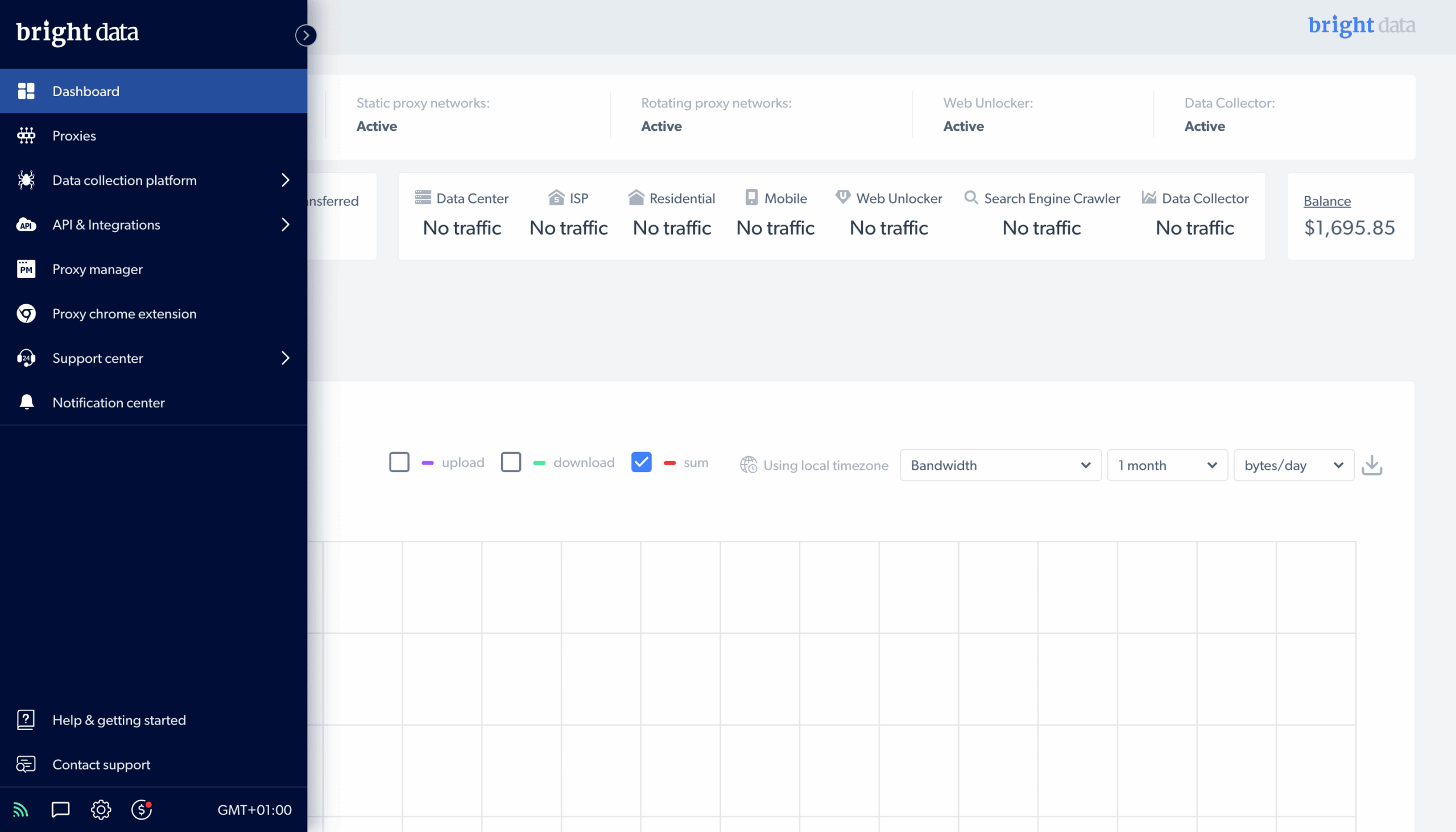
Bright Data (formerly Luminati) operates one of the largest proxy networks in the world, with over 72 million residential IPs across 195 countries. For sneaker copping, the scale of the network means fresh IPs are consistently available even during high-traffic release periods when other providers’ pools become congested.
Key features:
- 72+ million residential IPs globally
- Datacenter proxies for Footsite drops where speed is the priority
- Mobile proxies for the hardest-to-detect sessions on bot-resistant retailers
- Advanced IP rotation with customizable session control
Best for: Operators who need both residential and datacenter options across a large geographic footprint, and who want enterprise-grade reliability for high-volume release schedules.
3. Oxylabs
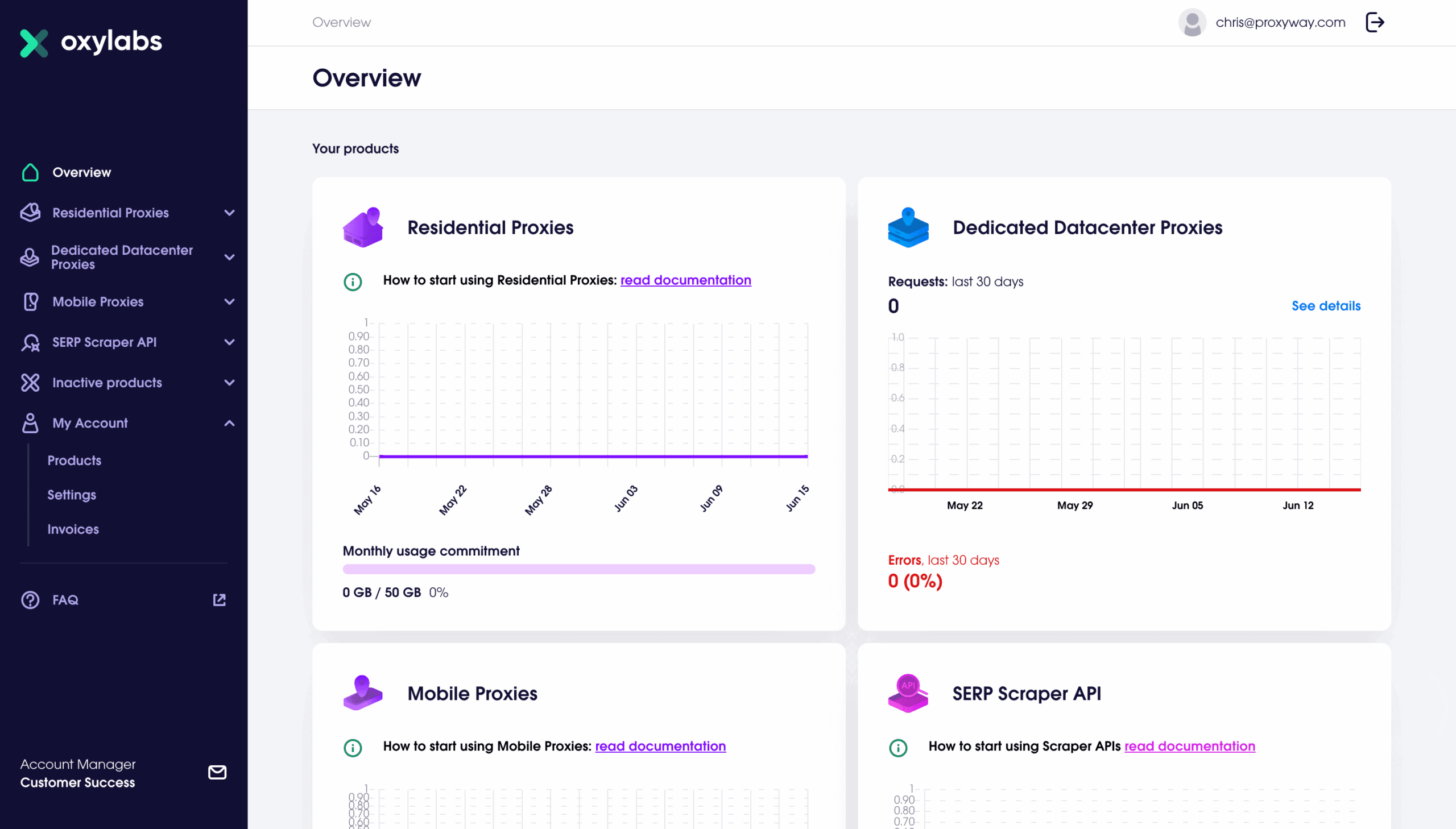
Oxylabs focuses on premium residential and datacenter proxies with performance metrics that consistently rank among the best in independent sneaker botting communities. The network is purpose-built for high-volume, time-sensitive operations where a slow proxy directly costs a cop.
Key features:
- Dedicated residential proxies with low ban rates on sneaker sites
- Datacenter proxies with ultra-low latency for speed-critical Footsite drops
- Rotating proxy pool with intelligent session management
- 24/7 technical support
Best for: Operators who prioritize speed and ban rate metrics and are willing to pay premium pricing for measurably better performance. Oxylabs is a common choice for serious resellers running high-volume release schedules.
4. Decodo
Decodo (formerly Smartproxy) offers one of the best value-to-performance ratios in the sneaker proxy market. With over 40 million IPs across 195 locations, it competes with larger providers on pool size while maintaining pricing accessible to sneakerheads who are not yet operating at full commercial scale.
Key features:
- 40+ million residential IPs across 195 countries
- Rotating and sticky session proxies for bot compatibility
- Beginner-friendly setup and dashboard
- Strong performance on Shopify-based sneaker boutiques
Best for: Sneakerheads who want effective residential proxies without the pricing tier of enterprise-focused providers. Smartproxy is frequently recommended in sneaker botting communities for entry-to-mid-level operations.
5. Proxydrop
Proxydrop is built specifically for sneaker copping rather than general proxy use, which means its network is configured and tested against the specific endpoints, rate limits, and detection patterns of Nike SNKRS, Adidas Confirmed, and Footsites.
Key features:
- Nike SNKRS and Adidas Confirmed-optimized proxy pools
- Rotating residential proxies configured for multi-account cop setups
- Fast checkout speeds with low ping times tuned for sneaker site timing
- Direct compatibility with major bots including Kodai, Wrath, and CyberAIO
Best for: Sneaker resellers whose focus is Nike and Adidas drops. The sneaker-specific optimization gives Proxydrop an edge on these platforms compared to general-purpose providers of similar price.
6. IPBurger
IPBurger specializes in static residential (ISP) proxies and dedicated proxies for sneaker copping, with particular strength on Shopify-based boutiques, Foot Locker, Eastbay, and JD Sports. The static residential offering is notable: you get the legitimacy of a real ISP-assigned IP with the speed consistency of a dedicated connection.
Key features:
- Static residential IPs for persistent, high-trust sessions
- Undetectable proxy performance on Shopify drops
- Clean integration with major sneaker bots
- Competitive pricing with flexible plan options
Best for: Operators focused on Shopify-based sneaker stores and retailers where persistent session identity matters more than rotating IP variety. IPBurger’s performance on Foot Locker and Eastbay is frequently cited in sneaker communities.
7. SOAX
SOAX provides high-quality residential and mobile proxies with AI-driven IP rotation, which adapts the rotation pattern to reduce detection risk based on observed retailer behavior. The mobile proxy offering is one of the stronger options for retailers with aggressive bot detection.
Key features:
- Premium residential proxies in 120+ countries
- AI-powered rotation that adjusts patterns to evade detection signatures
- Strong mobile proxy network for carrier-level IP legitimacy
- Low failure rates on major sneaker sites
Best for: Sneakerheads focused on platforms with sophisticated bot detection where standard residential proxies are increasingly flagged. SOAX’s AI rotation and mobile network provide an additional layer of evasion for the most restrictive retailers.
How to Choose the Best Sneaker Proxy for Your Setup
The right sneaker proxy depends on which retailers you target, which bots you run, and what scale you operate at. Here is how to match the choice to your situation.
For Nike SNKRS Proxies
Nike SNKRS has some of the most aggressive bot detection of any sneaker retailer. Datacenter proxies fail consistently on SNKRS. You need residential proxies from real ISP ranges, ideally with sticky sessions so your cart session maintains a consistent identity through the checkout flow. NodeMaven, Proxydrop, and Bright Data are the most commonly recommended for SNKRS-specific operations.
For Adidas Proxies and Adidas Confirmed
Adidas detection has strengthened significantly. Residential proxies are required for Adidas Confirmed drops. For Adidas Queue-It bypasses, mobile proxies are increasingly effective because mobile carrier IPs are harder to ban in bulk. SOAX and Bright Data both have strong mobile proxy networks suited to Adidas operations.
For Footsite Proxies (Foot Locker, Eastbay, Champs, Kids Foot Locker)
Footsites historically allowed datacenter proxies more than Nike and Adidas. This has tightened in recent years, but ISP proxies and datacenter proxies still perform meaningfully better on Footsites than on SNKRS or Adidas Confirmed. IPBurger’s static residential and datacenter options are frequently the recommendation for Footsite-focused setups.
For Shopify Sneaker Sites (Bodega, Kith, Palace, and boutiques)
Shopify uses Shopify Protect and third-party bot protection layers. Residential proxies work consistently on most Shopify drops. Smartproxy and IPBurger both have strong Shopify performance records in the community.
For UK Sneaker Sites
UK sneaker operations need UK-based IPs. Most major providers offer UK residential proxies, but pool size and IP quality vary. Oxylabs and Bright Data have deep UK residential pools that serve UK sneaker server setups reliably.
Free Sneaker Proxies: What You Should Know
Free sneaker proxies exist, and they are almost uniformly counterproductive for anyone serious about copping.
The problems are consistent: free proxy lists are publicly available, meaning retailers have already banned most of the IPs before you try to use them. Free proxies have no speed guarantees, introducing latency that costs you checkout timing. There is no quality control, no fresh IP rotation, and no support when something fails mid-drop.
For casual curiosity, free sneaker proxies are worth knowing exist. For actual copping operations, they burn more time than they save.
Sneaker Proxy Pricing: What to Expect
Sneaker proxy pricing varies significantly by type:
- Datacenter proxies typically run $1-3 per proxy per month for dedicated options, or lower for shared pools. Packages of 500 dedicated sneaker proxies are available from several providers at various price tiers.
- Residential proxies are usually priced by bandwidth: $3-15 per GB depending on provider and pool quality. High-volume operations may negotiate bandwidth packages.
- ISP/static residential proxies typically cost $2-5 per IP per month, sitting between datacenter and full residential in both price and performance.
- Mobile proxies are the most expensive tier: $15-50+ per port per month depending on provider and location.
For sneaker copping, the proxy cost should be evaluated against the resale margin on successful cops. A $20/month proxy investment that consistently cops $200-300 margin shoes is a straightforward business calculation.
Proxies Alone Are Not Enough: Browser Fingerprinting and Device Signals
Here is what many sneaker proxy guides skip over.
Modern retailers do not rely solely on IP address detection. Nike, Adidas, and the major Shopify drop protection systems also track browser fingerprints: the combination of your browser version, screen resolution, installed fonts, canvas rendering, WebGL output, timezone, and dozens of other signals that together create a unique device identity.
If you are running ten sneaker bot accounts from the same browser or the same browser fingerprint, the retailer’s detection system can link those accounts even if they all have different IPs. The fingerprint says they are the same device, regardless of what the IP says.
This is where proxies alone become insufficient.
How Multilogin Solves the Fingerprinting Problem
Multilogin’s antidetect browser creates completely isolated browser profiles, each with a unique browser fingerprint. When you run ten sneaker accounts through Multilogin, each account has its own canvas signature, WebGL output, font list, hardware configuration, and browser identity. The retailer’s fingerprinting system sees ten different devices, not ten sessions from one machine.
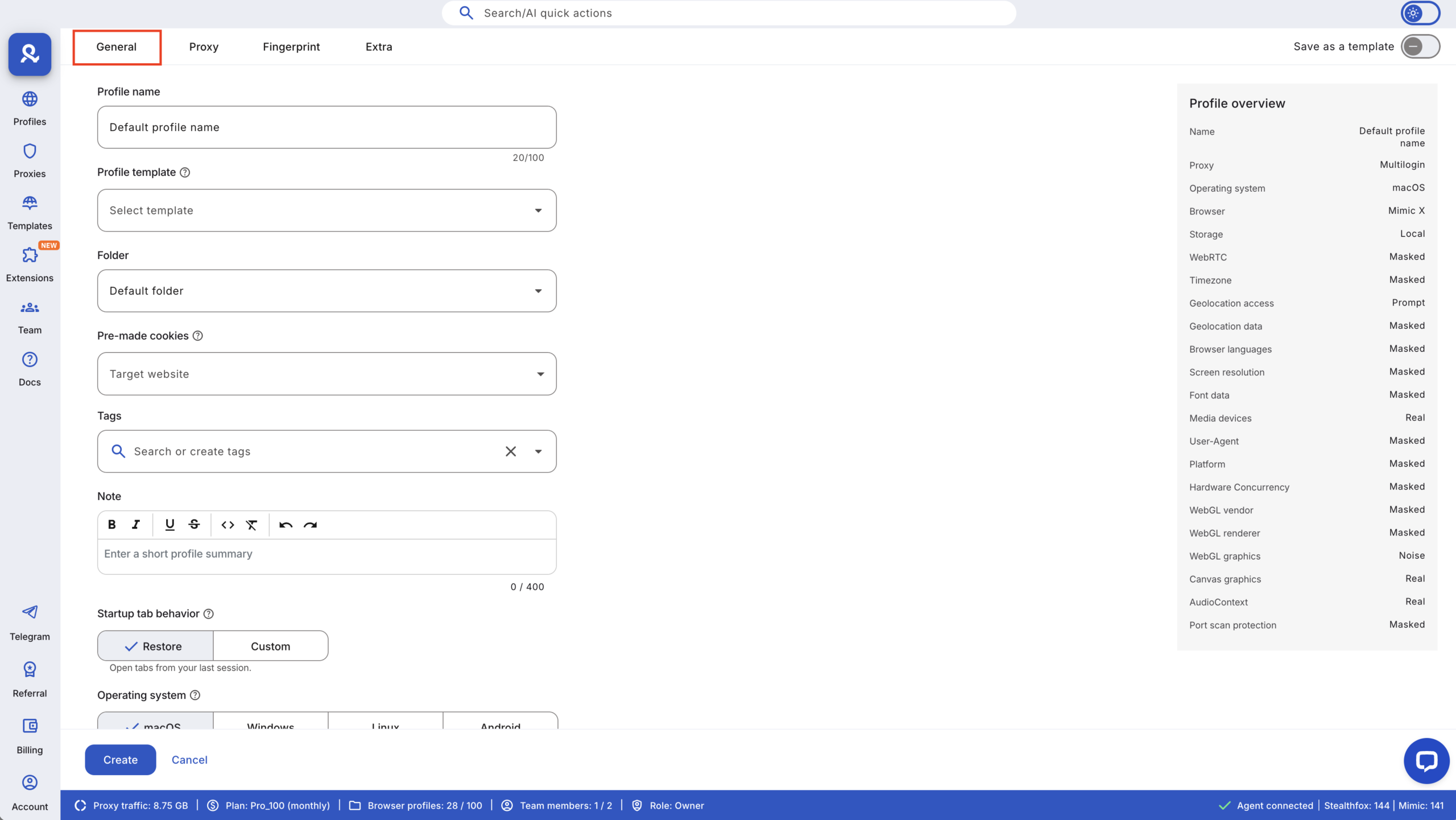
Combined with residential proxies, each Multilogin profile presents a complete, consistent identity: unique fingerprint plus unique IP. This is the setup that serious sneaker resellers use because it is the only configuration that holds up under both IP-level and fingerprint-level detection simultaneously.
Multilogin is compatible with major sneaker bots including Kodai, CyberAIO, Balko, and Wrath, and supports both Chromium-based (Mimic) and Firefox-based (Stealthfox) browser profiles.
Multilogin Cloud Phones for Sneaker Copping
The sneaker copping landscape has increasingly moved to mobile. Nike SNKRS is primarily a mobile app. Adidas Confirmed operates through a mobile-first flow. Many limited releases now favor app-based entries over desktop browser checkout.
This creates a problem for operators who want to run multiple accounts on these platforms at scale. You cannot install SNKRS 50 times on one phone. Physical phone farms require hardware, maintenance, and SIM management that scale poorly.
Multilogin Cloud Phones solve this. Each cloud phone is a real Android device hosted in the cloud, not an emulator. This distinction matters for sneaker copping specifically because Nike and Adidas have detection layers that identify emulated Android environments. Emulators produce software-generated signals that real device verification catches. Multilogin’s cloud phones run on genuine Android hardware, producing the authentic device signals that platform detection expects from real users.
What each Multilogin Cloud Phone provides for sneaker copping:
- Genuine device identity. Each cloud phone has a unique IMEI, Android ID, and hardware fingerprint. SNKRS and Adidas read these as individual real devices, not multiple sessions on one machine.
- Location-matched mobile proxies. Each cloud phone profile includes a mobile proxy that matches the configured geographic location. Nike SNKRS and Adidas region detection reads both the device and the network, so a US-targeted cloud phone gets a US mobile carrier IP.
- Native app access. You install the SNKRS app, the Adidas Confirmed app, and any other sneaker retailer’s mobile app directly on each cloud phone profile. These are genuine app installations on real Android hardware, not emulations that apps can detect and flag.
- Scale without hardware. Managing 20 SNKRS accounts means 20 cloud phones, each with their own device identity, operated from one dashboard without owning or maintaining physical devices.
- Team management. For reselling operations with multiple team members, Multilogin’s permission system lets you assign specific cloud phone profiles to team members without exposing credentials across the operation.
The combination of cloud phones for mobile-app copping and the antidetect browser for desktop-based operations gives sneaker resellers complete coverage across both channels from one platform.
Building the Complete Sneaker Copping Setup
The setups that consistently work in 2026 follow the same pattern:
For desktop copping (Shopify drops, Footsites, browser-based SNKRS and Adidas):
- Multilogin antidetect browser with one isolated profile per sneaker account
- Residential proxies from a provider matched to your target retailer (NodeMaven, Proxydrop, or Oxylabs for most cases)
- Sneaker bot integrated with Multilogin profiles
- One account per profile, one proxy per profile
For mobile-app copping (SNKRS app, Adidas Confirmed app):
- Multilogin Cloud Phones with one cloud phone per account
- Location-matched mobile proxies (included with Multilogin cloud phones)
- Native app installation on each cloud phone
- One SNKRS or Adidas account per cloud phone profile
This is multi-account management applied specifically to sneaker copping: the same principles of profile isolation, proxy pairing, and fingerprint separation that agencies use for social media and e-commerce, applied to the specific detection environment of sneaker retailers.