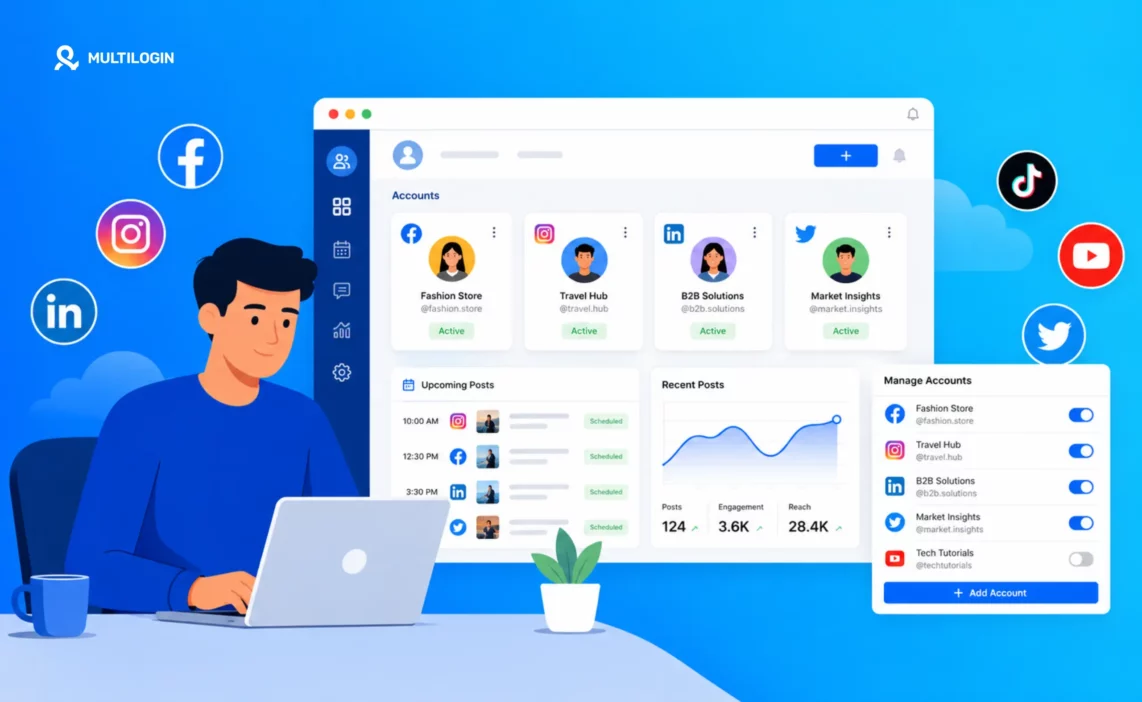



Social media growth in 2026 is harder than it looks on the surface. Every platform has gotten more sophisticated about suppressing shortcuts. Follower counts from bought audiences don’t convert.
Engagement from bots tanks your algorithmic distribution. And the spray-and-pray approach of posting everywhere and hoping something lands just means you’re busy, not growing.
But organic social media growth is very much alive. The accounts that are growing consistently in 2026 are doing something different from the ones that are stagnant — and the difference is almost never about working harder. It’s about the approach.
Why your current social media growth strategy might be stalling
Before we get into what works, it’s worth being honest about what doesn’t. Most stalled social media growth strategies fail for one of these reasons:
- Content that isn’t differentiated. If your content looks and sounds like everything else in your niche, there’s no reason for the algorithm to push it or for people to follow you specifically.
- Platform mismatch. Trying to grow on a platform where your specific audience isn’t concentrated is a waste of energy. Not every business needs to be on TikTok. Not every creator needs a LinkedIn presence.
- No clear value exchange. People follow accounts because they get something from it — entertainment, information, inspiration, or community. If your content isn’t clearly delivering one of these, growth stalls.
- Inconsistency. Posting intensively for two weeks and then going quiet is worse than posting moderately but reliably. Algorithms reward consistency because consistent posting signals a reliable content source.
The fundamentals of organic social media growth in 2026
Know your one-sentence value proposition
Before you optimise content, posting schedules, or hashtag strategies, you need a clear answer to one question: why should someone follow this account specifically? Not your business, your product, or your niche generally — this specific account, in this specific tone, posting this specific type of content. If you can’t answer that in one sentence, your social media growth strategy doesn’t have a foundation.
Pick platforms where your audience actually is
One of the biggest social media growth mistakes is trying to maintain a meaningful presence on six platforms simultaneously with limited resources. It’s better to have one or two accounts that genuinely connect with their audiences than five accounts that post inconsistently and generate no engagement. Start by researching where your specific target audience is most active — not where the biggest audiences are, but where yours is.
Create content worth sharing, not just liking
In 2026, every major platform’s algorithm weights shares and saves significantly more heavily than likes. A post that gets shared is a post that the algorithm reads as valuable enough to recommend. Create content with sharing in mind: listicles people send to friends, templates people save to use later, takes worth debating, stories worth passing on.
Platform-specific social media growth strategies
TikTok and Instagram Reels
Video completion rate is still the primary distribution signal on short-form video platforms. The first two seconds determine whether a viewer completes the video or scrolls past. Test different hooks for the same core content to find what keeps your specific audience watching. On Instagram specifically, understanding how to properly use hashtags on your posts is part of a broader content visibility strategy.
LinkedIn organic social media growth is driven by early engagement from your direct network. When your connections engage with your post in the first hour, it gets pushed to their connections. This means timing matters a lot, and it means you need to actively engage with your target audience’s content so they’re more likely to return the favour when you post.
Twitter/X
Replies and threads drive reach on Twitter/X more than original posts. The short version: post opinions, not just information, and engage actively in threads from accounts your audience already follows. Getting more Twitter followers is fundamentally about being worth engaging with, not about posting volume.
Facebook Groups consistently outperform Pages for organic reach. If you’re serious about social media growth on Facebook in 2026, building and managing a Group is almost always more effective than trying to grow a Page organically.
The role of paid social in a social media growth strategy
Organic and paid social aren’t opposites — they work best together. Organic builds the foundation: a content library that demonstrates your value, an engaged audience that provides social proof, and a proven message that converts. Paid amplifies what’s already working.
The mistake most brands make with paid social is boosting content that isn’t already performing organically and expecting it to convert. Identify your best-performing organic posts, then use paid promotion to push them in front of lookalike audiences. The content has already proven it resonates — you’re just buying more distribution for something that’s already working.
Social media growth services: what to look for and what to avoid
The social media growth service industry is full of providers offering follower growth, engagement packages, and account management. Most deliver vanity metrics that hurt your account’s actual performance. What actually matters when evaluating a social media growth service:
- Engagement quality over follower quantity. Services that promise 10,000 followers in a week are delivering bots.
- Platform policy compliance. Any growth service that uses automated engagement or bought followers violates platform terms.
- Content-first approach. Legitimate social media growth agencies lead with content strategy, not just distribution. If a service doesn’t talk about content quality, avoid it.
Account safety as a social media growth enabler
Here’s something most social media growth strategy guides skip entirely: account safety. For individuals managing multiple accounts — different brands, different clients, different platforms — the infrastructure decisions you make directly affect your growth potential.
Platforms flag accounts that share device identifiers and IP addresses as potentially coordinated or inauthentic. If two of your accounts get linked because they’re both accessed from your laptop on your home network, a problem with one can affect the other.
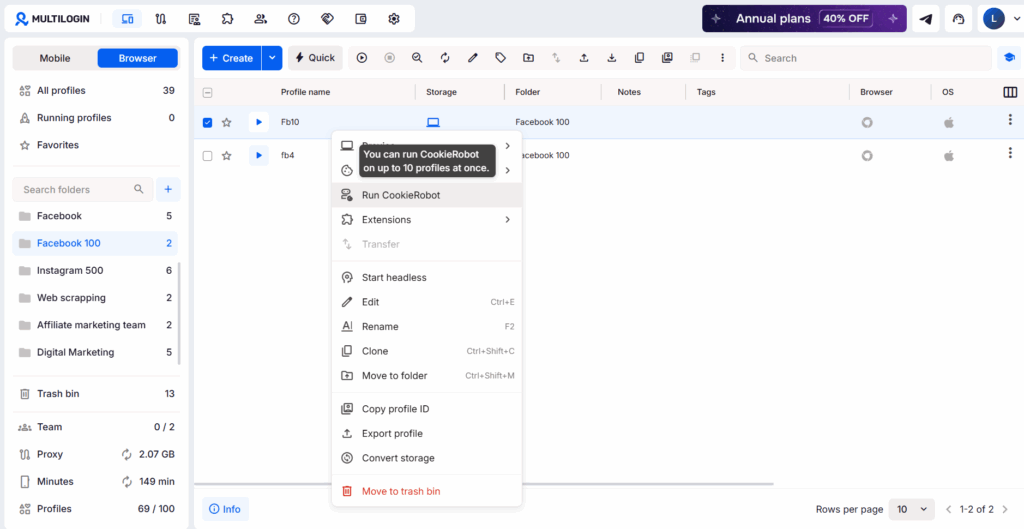
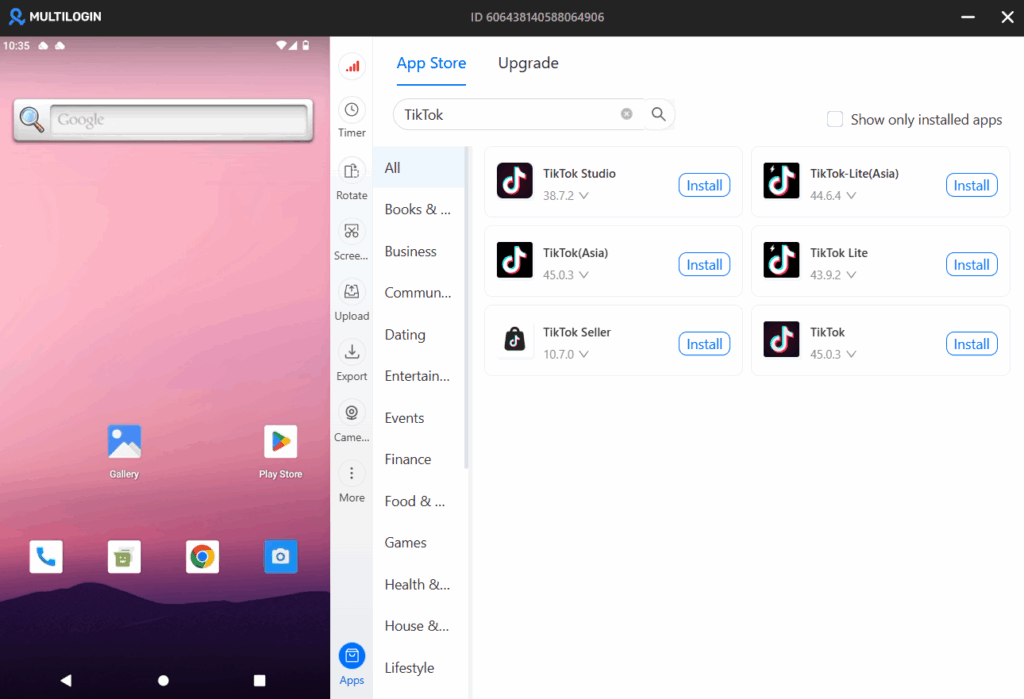
Multilogin Cloud Phones provide complete account isolation — each account runs on its own virtual Android device with a unique fingerprint and dedicated IP address. This isn’t just about avoiding bans — it’s about giving each account the clean environment it needs to build its own algorithm profile and its own social media growth trajectory independently. Plans from $7.08/month.
Running multiple social accounts for brands or clients? Multilogin Cloud Phones give each account its own isolated environment to grow independently. Plans from $7.08/month — try at multilogin.com.
Measuring social media growth: the metrics that actually matter
- Engagement rate, not follower count. Engagement rate (interactions divided by followers or reach) tells you whether your content is resonating. A growing follower count with a declining engagement rate is a warning sign.
- Saves and shares, not just likes. On Instagram and TikTok especially, saves and shares are the high-intent signals that drive algorithmic distribution.
- Profile visits to follow rate. How many people who visit your profile actually follow? This tells you how compelling your profile is to new visitors.
- Referral traffic from social. If your goal is driving traffic to a website, track actual clicks and visits, not just reach or impressions.

No more juggling physical devices or risking account links. Try Multilogin's cloud phones now.
Frequently Asked Questions
Most accounts with a consistent, well-defined content strategy see meaningful engagement growth within 3 to 6 months. Follower growth is often slower — 12 to 18 months of consistent effort is a realistic timeline to reach a genuinely engaged audience of several thousand on most platforms.
Organic growth comes from content performance, community engagement, and algorithmic distribution — no money spent on promotion. Paid growth involves spending on ads to expand your reach. Most sustainable social media growth strategies use both, with organic building the foundation and paid amplifying what’s already working.
For generic, unfocused accounts, yes. For accounts with a clear niche, a specific audience, and genuinely differentiated content, growth is very much achievable. The platforms have gotten better at surfacing content that resonates deeply with a specific audience.
Consistency matters more than frequency. Three posts per week reliably delivered will produce better long-term growth than five posts this week and nothing for two weeks.
For the right niches (e-commerce, food, home décor, travel, fashion, DIY), absolutely. Pinterest pins can rank in Google Image Search for years after posting. It’s a long-duration content channel with compounding returns.
Yes, cloud phones are ideal for managing multiple TikTok accounts because they provide isolated mobile environments that prevent platforms from linking your accounts together, reducing the risk of shadow bans or suspensions.