







Cloud phones with
built-in proxies
Residential and mobile proxies
Included in every plan, no separate proxy bill
One IP per account
Each cloud phone gets its own IP and matched location
Cellular or Wi-Fi
Pair the right proxy with the right connection
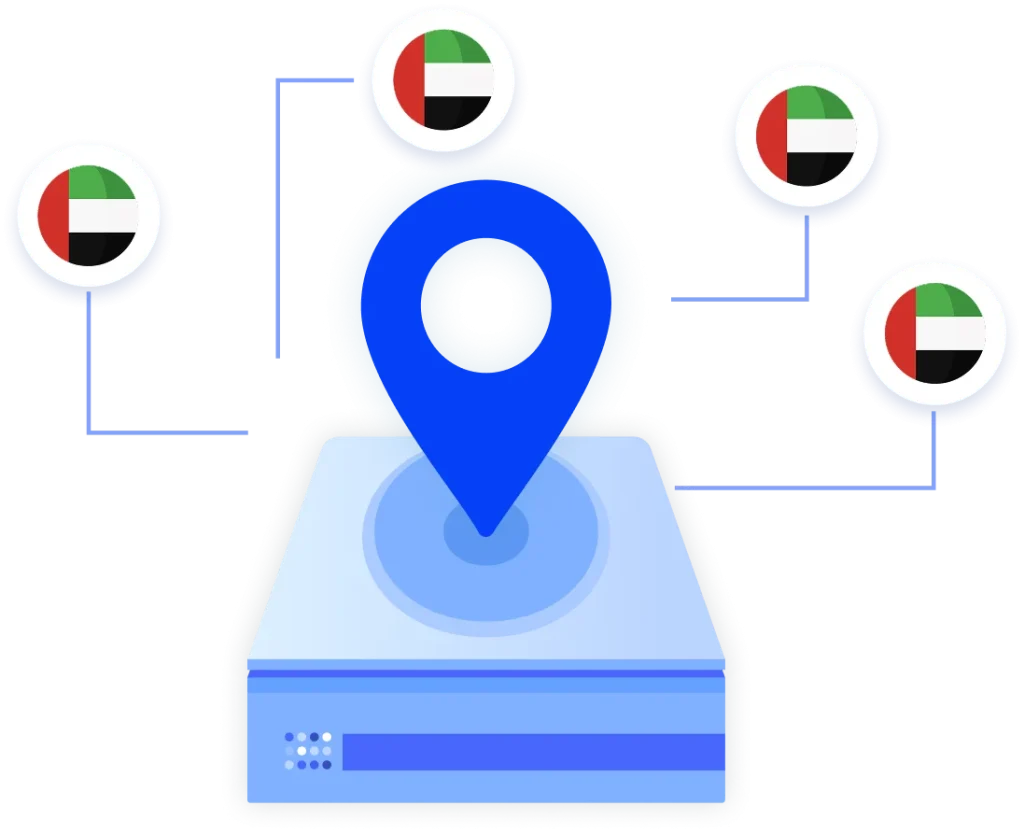
Run multiple accounts using UAE proxy
Run multiple accounts using UAE proxies by assigning each account its own isolated browser profile and UAE-based IP. This keeps logins consistent, reduces CAPTCHA challenges, and prevents account linking on platforms that expect stable UAE user behavior.
Longer sessions with UAE proxies
UAE proxies are more reliable when sessions stay consistent. With 24-hour sticky sessions, the same UAE IP remains assigned for a full day, keeping logins stable, preserving cookies, and reducing unexpected session resets during account use, automation, or data collection.
Scrape UAE websites with location-accurate proxies
Scrape UAE websites with location-accurate proxies and keep each session consistent for long runs. With Multilogin, you can run your collection through tools like Postman, Puppeteer, Selenium, Playwright, or the Multilogin CLI, while tying each workflow to its own browser profile and UAE proxy so requests don’t inherit each other’s history or get grouped together.
Import third-party UAE proxy
Import third-party UAE proxies directly into Multilogin and assign them to individual browser profiles. This lets you keep using your existing UAE IPs while benefiting from isolated sessions, stable fingerprints, and clean account separation inside the browser.
What is the Multilogin browser?
Multilogin’s browser lets you run multiple browsing sessions, each with its own digital fingerprint. By mimicking real user behavior and randomizing fingerprints, it helps you manage accounts or perform large-scale scraping without getting flagged.
Why use UAE proxies and browser from the same provider?
Using UAE proxies and a browser from the same provider keeps location, browser fingerprint, and session data aligned. This reduces setup errors, avoids mismatches that trigger reviews, and helps accounts behave like consistent UAE users instead of fragmented logins from mixed tools.
Multilogin features for creating multiple accounts
More proxy and antidetect bundles
- Ad spy proxies & antidetect browser
- Antidetect browser & proxies for Ad verification
- Reddit proxy
- Canada proxy
- Chicago proxy
- China proxy
- Denmark proxy
- Egypt proxy
- Gmail proxy
- Greece proxy
- Hong Kong proxy
- Hungarian proxy
- Indonesia proxy
- Iran proxy
- Irish proxy
- ISP proxies
- Israel proxy
- Italy proxy
- Japan proxy
- Korea proxy
- LinkedIn proxy
- London proxy
- Los Angeles proxy
- France proxy
- India proxy
- Mexico proxy
- Netherlands proxy
- New York Proxy
- New Zealand proxy
- Oman proxy
- Online shopping proxies & cloud phone
- Poland Proxy
- Portugal proxy
- Proxies for market research & cloud phone
- Proxies for price monitoring & cloud phone
- Proxy Romania
- Rank tracker proxies & cloud phone
- Saudi Arabia proxy
- SEO proxies & antidetect browser
- SERP analysis with proxies & antidetect
- Singapore proxy
- Sneaker proxies & antidetect browser
- SOCKS5 proxy & multi-account browser
- Spain proxy
- Sweden proxy
- Switzerland proxy
- Telegram proxy
- Thailand proxy
- Tinder proxy & antidetect bundle
- Turkey Proxy & Multi-Account Browser in One Platform
- UK proxy
- Ukraine proxy
- USA proxy
- Web Scraping Proxies & Multi-Account Browser
- Tiktok proxy
- WhatsApp proxy & cloud phone bundle
The award-winning platform for social media growth















Watch the Multilogin Demo
See how to run multiple accounts in just 2 minutes.
Watch the demo below and discover how Multilogin can streamline your workflow.
How to start using Multilogin
Start collecting data effortlessly with the industry leading browser.
Sign up
Register using a verified email address.
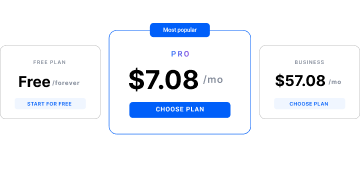
Choose your plan
Select from various subscription plans tailored to your business needs.
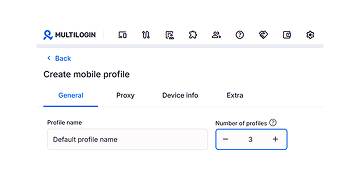
Manage your accounts using Chile proxies
Set up multiple accounts while using Chile proxies, ensuring secure browsing with distinct profiles.
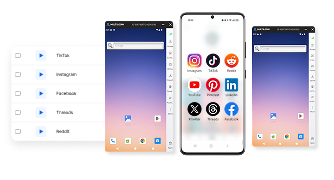
Run multiple accounts without getting blocked
Use Multilogin built-in UAE proxies
UAE proxy: How United Arab Emirates Proxies are used in real workflows
If you’ve ever tried to run accounts, scrape data, or verify ads tied to the UAE and suddenly hit blocks, logouts, or silent restrictions, you already know the issue isn’t random. Platforms in the region are strict about location consistency. When your IP doesn’t match the expected behavior, access breaks. That’s where a UAE proxy — especially a residential proxy — stops being optional and becomes part of the setup.
A UAE proxy server routes your traffic through IP addresses based in the United Arab Emirates. To the website, you look like a local user. That single change affects what you can see, how long sessions last, and whether your accounts survive.
This article explains how United Arab Emirates proxies are actually used, what problems they solve, and how to avoid the mistakes that cause bans even when a proxy is technically “working.”
What is a UAE proxy and why It matters
A UAE proxy (also called a United Arab Emirates proxy) is a server that assigns you an IP from inside the country. Websites rely heavily on IP location to decide what content to show, which ads to load, and whether an account looks legitimate.
This matters because:
- Many platforms show different pricing, offers, or results inside the UAE
- Some services restrict access to users outside the region
- Account systems flag logins that jump between countries too often
If your setup keeps switching locations or mixes UAE and non-UAE signals, detection follows. Proxies don’t solve everything, but without the right location, nothing else works reliably.
Read our article about the best residential proxies!
What you can do with United Arab Emirates proxies
United Arab Emirates proxies are used when location accuracy directly affects results. Common workflows include:
- Accessing UAE-only websites and services
- Verifying ads as they appear to users in Dubai or Abu Dhabi
- Managing region-linked accounts without constant security checks
- Scraping UAE search results, listings, or pricing data
- Testing localized landing pages, currencies, and content rules
For teams operating across regions, UAE proxies are often used alongside other country IPs. The key is keeping each activity isolated so accounts don’t bleed into each other.
Where UAE proxy servers usually fail
Many users buy a UAE proxy server and still get banned. The reason is rarely the country itself. It’s the incomplete setup.
Typical failure points:
- Reusing the same UAE IP across multiple accounts
- Mixing UAE IPs with shared browser fingerprints
- Using datacenter IPs that platforms already distrust
- Rotating IPs too aggressively during logged-in sessions
If you’ve been banned even with a UAE proxy, the platform didn’t just see your IP. It connected behavior, browser signals, and session patterns.
Why browser isolation changes the outcome
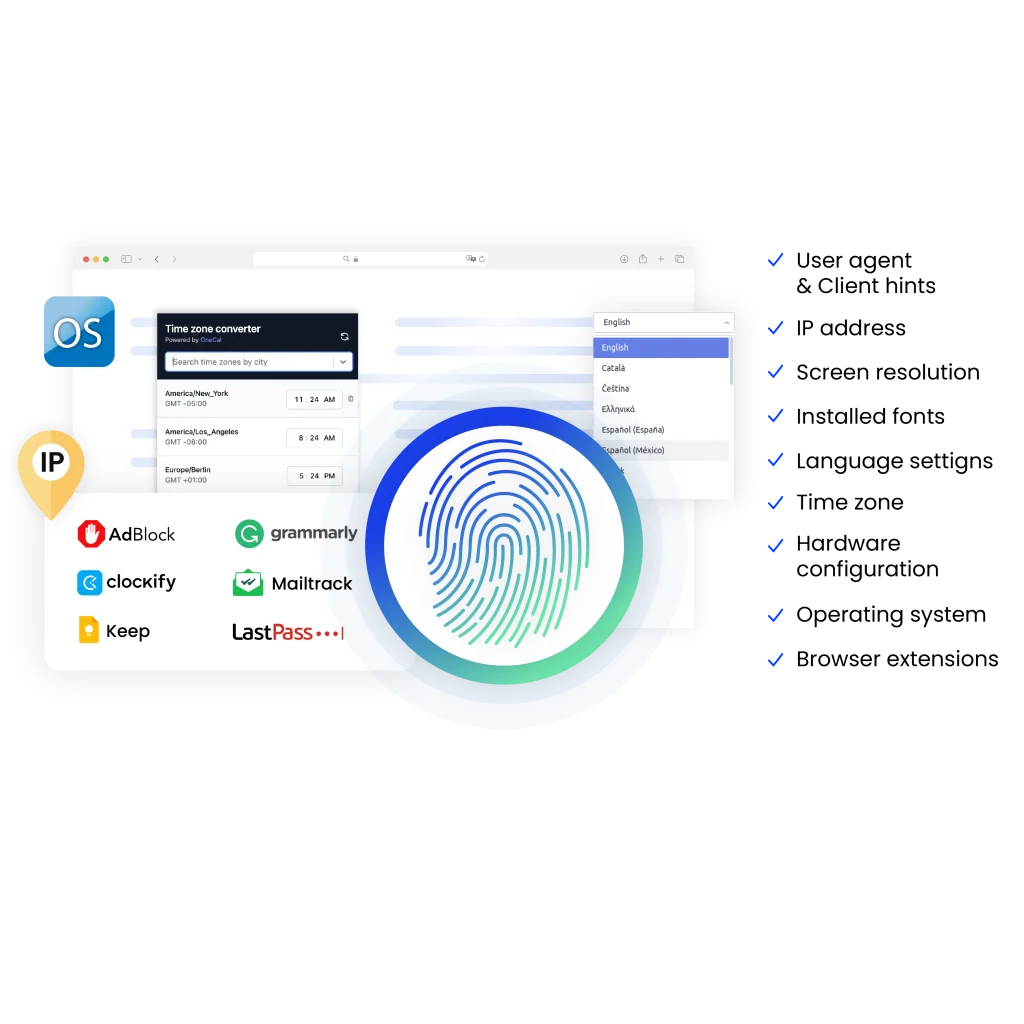
A proxy only handles the connection. Websites also track:
- Browser fingerprint
- Device characteristics
- Cookies and local storage
- Session behavior over time
If all your accounts run inside the same browser environment, a UAE proxy won’t protect them for long. This is where browser-level separation matters.
Using UAE proxies with Multilogin
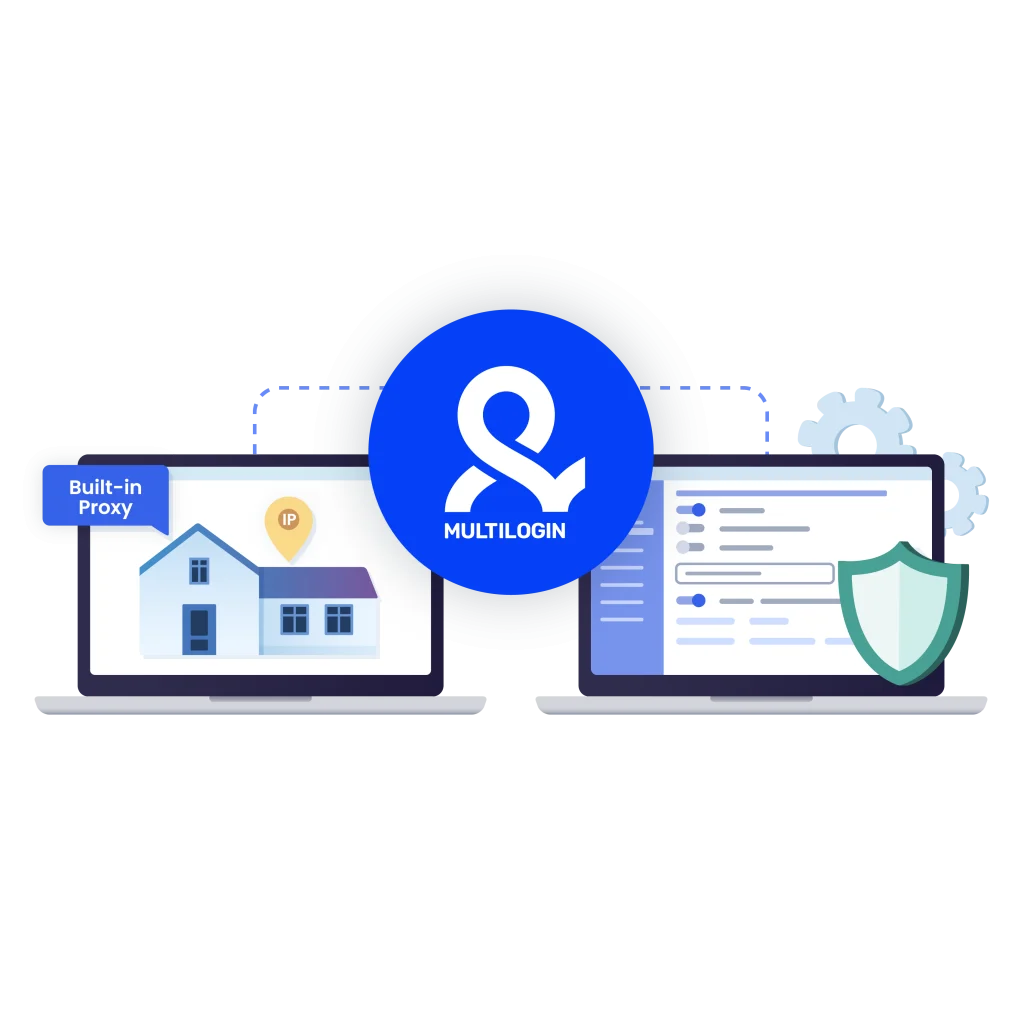
Multilogin lets you run each account inside its own isolated browser profile. Every profile has:
- A unique fingerprint
- Separate cookies and storage
- Its own proxy connection
When a UAE proxy is assigned to one profile, it stays tied to that identity. If one account gets flagged, others remain untouched because there’s no shared data behind the scenes.
This approach is especially useful if:
- You manage multiple UAE-based accounts
- You test campaigns across regions
- You’ve already lost accounts due to linkage
UAE Proxies for account management
Account bans usually happen quietly. A login works today, fails tomorrow, and there’s no clear reason why. In most cases, the account was linked to others through shared signals.
With UAE proxies combined with isolated profiles:
- Each account logs in from a consistent UAE location
- Sessions stay stable instead of resetting
- Security checks trigger less often
If you’re managing social media, marketplaces, or local platforms tied to the UAE, this setup reduces friction over time instead of forcing you to constantly replace accounts.
UAE Proxies for scraping and automation
Scraping UAE data without the right setup is slow and unreliable. Rate limits appear quickly, and IPs get burned faster than expected.
A UAE proxy helps because:
- Requests come from the correct country
- Localized content loads correctly
- Blocks trigger later than with foreign IPs
Running UAE scraping with Multilogin
When scraping through Multilogin, each browser profile can run its own UAE proxy. This allows:
- Controlled IP rotation instead of random switching
- Cleaner request patterns
- Better stability for long scraping jobs
If scraping fails after a few minutes, it’s usually not because scraping is “detected.” It’s because the environment looks artificial. A real-looking browser paired with a UAE proxy changes that balance.
Residential vs. datacenter UAE proxies
Not all UAE proxies behave the same, and the difference usually shows up after a few days of real use. Residential UAE proxies are assigned from real user connections, which means they blend into normal traffic patterns instead of standing out. Because they look closer to how real people connect, they tend to last longer for account-based work and scraping tasks where stability matters more than raw speed.
Datacenter proxies are different. They can be faster on paper, but that speed comes with trade-offs. These IPs are easier for platforms to recognize, especially on services that apply stricter regional checks, and they are often blocked early. For serious workflows, residential United Arab Emirates proxies are usually the safer option. Speed is rarely the limiting factor; consistency is.
When UAE proxies are not enough
When UAE proxies are not enough, bans still happen even if the IP itself is correct. Accounts created too fast, behavior that looks automated, sessions jumping between devices, or multiple accounts sharing the same fingerprint all raise red flags. In these cases, the platform is not reacting to location. It is reacting to patterns that don’t match how real users behave over time.
This is why experienced teams don’t talk about proxies alone. They focus on full environments. Tools like Multilogin are often used because they handle fingerprint separation, profile persistence, and proxy assignment per identity. The proxy takes care of location, while the browser takes care of identity. For stable setups, you need both working together.
Read more about the best browsers for web scraping!
Final thoughts: Using UAE proxies without burning accounts
A UAE proxy is not a shortcut. It’s a foundation. If you rely on UAE access for business, testing, or data collection, treating proxies as disposable tools leads to repeated bans.
The setups that last combine:
- UAE proxy servers tied to single profiles
- Stable sessions
- Clear separation between accounts
- Controlled scaling instead of bursts
If you’ve already lost accounts, the fix is rarely “buy another proxy.” It’s rebuilding the environment so platforms stop connecting the dots.
For teams working seriously with United Arab Emirates proxies, that difference is what keeps workflows running instead of constantly restarting.
FAQ
What is a UAE proxy and how does it work?
A UAE proxy is a proxy server that assigns you an IP address located in the United Arab Emirates. When traffic goes through a UAE proxy server, websites detect the connection as coming from inside the country rather than your real location. This affects access rules, visible content, pricing, ads, and how platforms evaluate trust. United Arab Emirates proxies are mainly used when platforms expect local users and apply different logic to foreign IPs.
Is there a difference between a UAE proxy server and United Arab Emirates proxies?
Functionally, there is no difference. The terms UAE proxy server, United Arab Emirates proxy, and United Arab Emirates proxies all refer to proxy infrastructure that routes traffic through UAE-based IP addresses. The difference is only in wording. Some users say “UAE proxy server” when talking about setup, while others use “United Arab Emirates proxies” when referring to pools of IPs. The use case stays the same.
Why do accounts still get banned even when using a UAE proxy?
Most bans are not caused by the UAE proxy itself. Platforms analyze more than location. They look at browser fingerprints, cookies, device data, and behavior patterns over time. If multiple accounts share the same browser environment or switch locations inconsistently, detection follows even with a correct UAE IP. A UAE proxy fixes location, but long-term account safety depends on isolating each account and keeping signals consistent.
Are residential United Arab Emirates proxies better than datacenter ones?
In most cases, yes. Residential United Arab Emirates proxies come from real user connections and blend into normal traffic patterns. They usually last longer for account management, ad verification, and scraping. Datacenter UAE proxies can be faster, but they are easier for platforms to identify and block, especially on services with strict regional controls.
Can UAE proxies be used for web scraping and automation?
Yes, UAE proxies are commonly used for scraping UAE search results, local listings, travel pricing, and e-commerce data. They ensure the data collected matches what real UAE users see. However, scraping reliability depends on more than the proxy. Aggressive request rates, shared browser signals, or uncontrolled rotation can still trigger blocks. Stable setups usually combine UAE proxies with isolated browser environments.
How many accounts can be managed safely with UAE proxies?
There is no fixed limit. Risk increases when one UAE proxy is reused across many logged-in accounts. Safer setups assign a dedicated UAE proxy to each account or rotate carefully while keeping sessions isolated. Tools like Multilogin are often used because they allow each account to run in its own browser profile with a separate UAE proxy, reducing account linkage.
When are UAE proxies not enough on their own?
UAE proxies are not enough when accounts share browser fingerprints, behave unnaturally, or jump between countries and devices. In these situations, platforms still detect patterns even though the IP location is correct. United Arab Emirates proxies work best as part of a complete setup that includes browser isolation, stable behavior, and controlled scaling. If bans continue, the issue is usually the environment, not the UAE proxy itself.